 Official Xterra teaser
The Nissan Xterra Is Returning: Confirmed Facts, Open Questions, and Who Should Wait
Read the announced direction for the Xterra’s return and the open questions to consider before waiting.
PathfinderArmadaXterra
Read article

*Starting MSRP is for the stated model year and excludes destination, taxes, title, license, options and dealer charges. Vehicles shown may differ in trim or configuration; Rogue uses a 2026 stock photo. Prices and availability can change. Versa pricing refers to the 2025 model. Xterra pricing is not announced; its photo shows a 2015 vehicle.
Model information checked October 2, 2026 against Nissan USA sources.
Try a different model or topic, or clear your filters to browse all 98 guides.
Official Xterra teaserRead the announced direction for the Xterra’s return and the open questions to consider before waiting.

Explore how e-POWER differs from a plug-in hybrid and which details to verify as the model approaches launch.
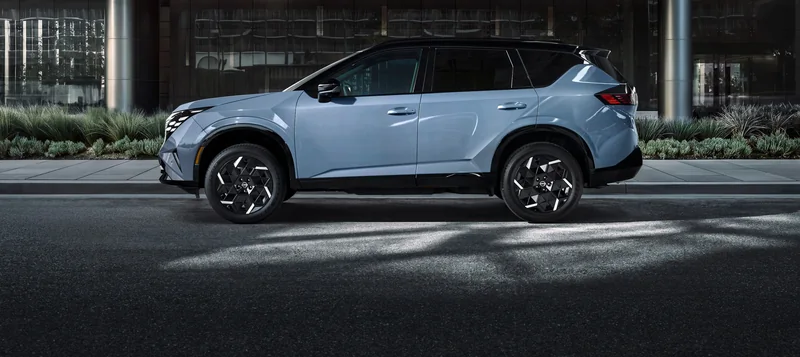
Separate official announcements from speculation and see which buying details still need confirmation.

Check tires, starting and charging, visibility, brakes, fluids, lights, and recall status before cold weather.

Compare Nissan choices for tight parking, commute comfort, passenger room, and useful cargo access.
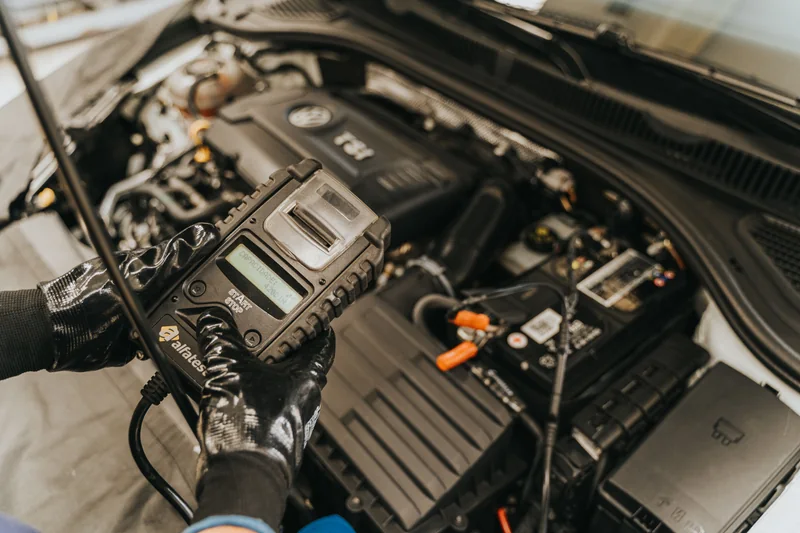
Build a service baseline from existing records, the correct schedule, measurements, and immediate safety needs.

Compare accessory fit, cleaning needs, weather exposure, and cargo habits before choosing extra interior protection.
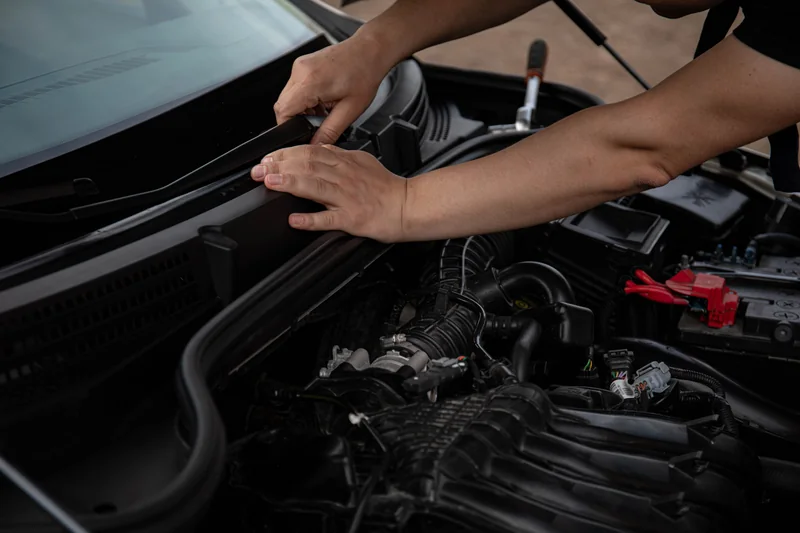
Understand when vehicle equipment and repair procedures may call for camera or radar calibration.

Learn what the two filters protect and how to evaluate inspection and replacement recommendations.

Review washing, drain care, debris removal, and paint-damage checks for cars exposed to winter road salt.
Use your VIN to check the notices and repair campaigns that apply to your exact vehicle.
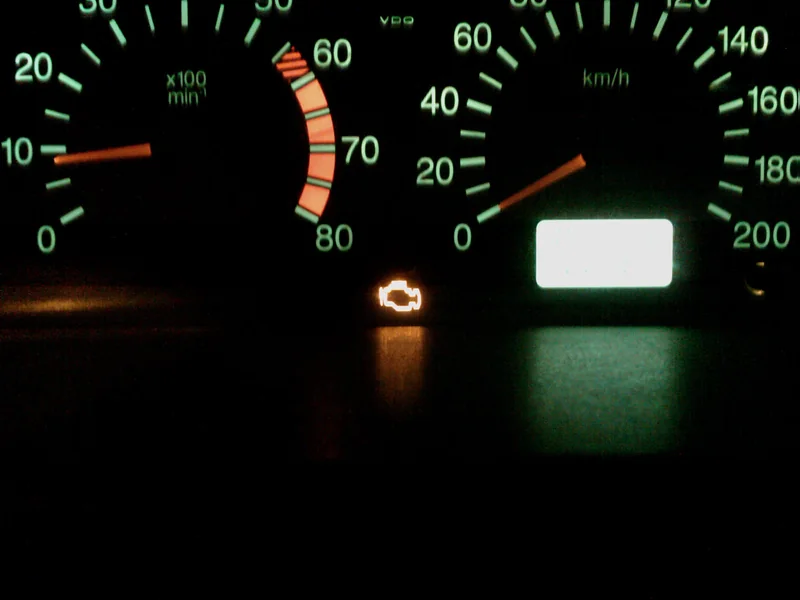
Understand why a steady warning and a flashing check-engine light call for different responses.

Use records, a useful test drive, an inspection, and clear warranty terms to assess a used vehicle.

Explore how traffic, load, hills, corrosion, and driving habits affect brake wear and inspection decisions.

Know which steering, vibration, and tire-wear changes to have inspected after a hard pothole impact.

Find the right pressure and rotation schedule, and understand when a tire-pressure warning needs investigation.

Use the correct Nissan schedule or oil-control information when deciding when your next oil change is due.
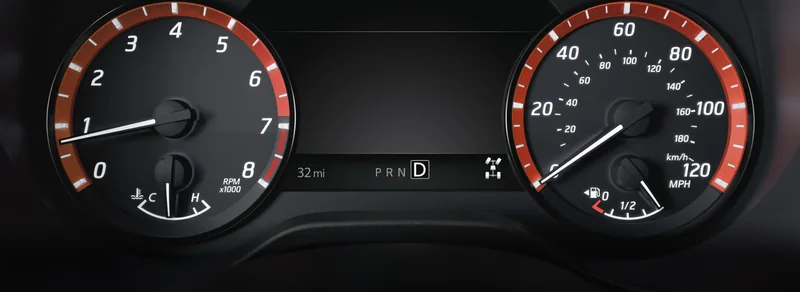
Learn how service reminders differ from fault warnings and what to check when a message appears.

Match SUV size to your passengers and cargo, then compare mileage, condition, history, coverage, and ownership costs.

Compare included certified coverage with an optional wrap contract for overlap, additional benefits, term, and price.

Review the listed covered components, eligibility, mileage limits, and exclusions in a certified vehicle’s warranty.

Prepare an inspection, history review, recall check, and written-coverage review before buying a used Nissan.

Find the ownership and lien documents to resolve before completing a New York vehicle transfer.
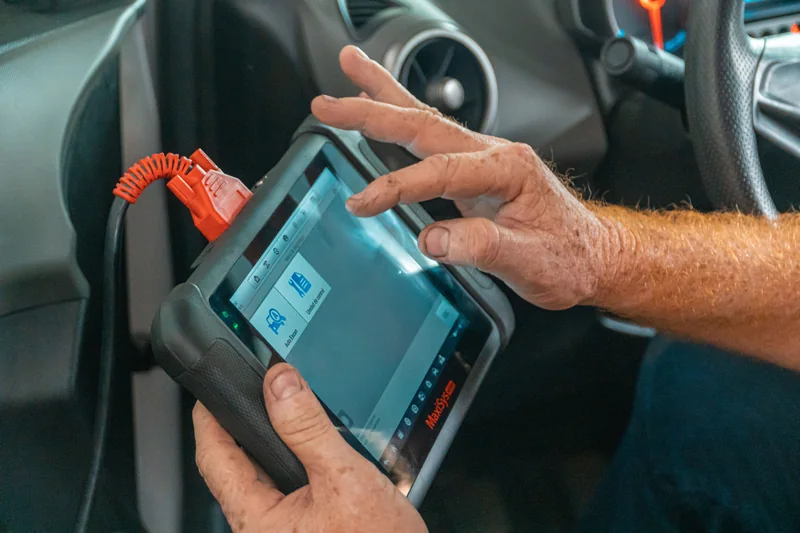
Understand how diagnosis, safety, disclosure, condition, and title status affect a trade-in conversation.

Compare net proceeds, time, tax treatment, payoff handling, and convenience across your selling options.

Compare an as-is offer with the likely payoff from cleaning or repairs before spending on your trade.

See how condition, vehicle history, local demand, reconditioning, and resale options influence an appraisal.

Gather ownership records, identification, payoff details, and the participation of everyone named on the title.

Learn which New York tax rules to verify when including a trade-in in a replacement purchase.

Compare your lender’s payoff with a written appraisal to understand positive equity or an outstanding shortfall.

Look beyond battery age to starting performance, charging history, electrical connections, and test results.

Check the exact owner’s manual when deciding how replacement tires need to match on an AWD Nissan.
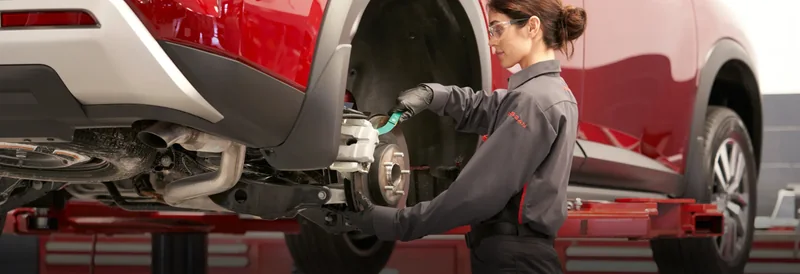
Review the correct service schedule and documented condition before deciding whether brake-fluid replacement is due.
Find the vehicle-specific schedule and operating conditions to check before authorizing transmission-fluid service.

Compare replacement parts for fit, quality, availability, warranty terms, and suitability for the repair.

Use the factory schedule and documented vehicle condition to evaluate a service recommendation.
Understand maintenance records, correct specifications, and the distinction between routine service and warranty repairs.

Evaluate each protection benefit separately against its price, exclusions, claim process, and existing coverage.

Check New York availability and plan your lease return with the applicable wear rules and contract terms.

Compare road-hazard coverage with existing benefits, exclusions, claim limits, and your likely repair costs.

Review potential loan or lease shortfalls, existing coverage, contract limits, and the cost of GAP protection.
Learn where to find your model’s warranty coverage, limits, exclusions, and owner responsibilities.

Separate defect coverage, optional repair protection, and prepaid routine service so you can compare them clearly.

Compare prepaid services with your vehicle’s schedule, driving plans, preferred service location, and price.
Evaluate service-contract price, covered repairs, exclusions, deductibles, and your expected ownership period.

Focus your used-car comparison on each vehicle’s history, condition, equipment, warranty, and total cost.

Compare loan offers using their complete terms, rather than judging them by the monthly payment alone.

Review payoff figures and termination terms before deciding whether an early lease change makes sense.

Compare your buyout, vehicle condition, market options, transaction costs, and next-car plans.

Prepare your inspection, records, vehicle equipment, and return paperwork before your lease ends.
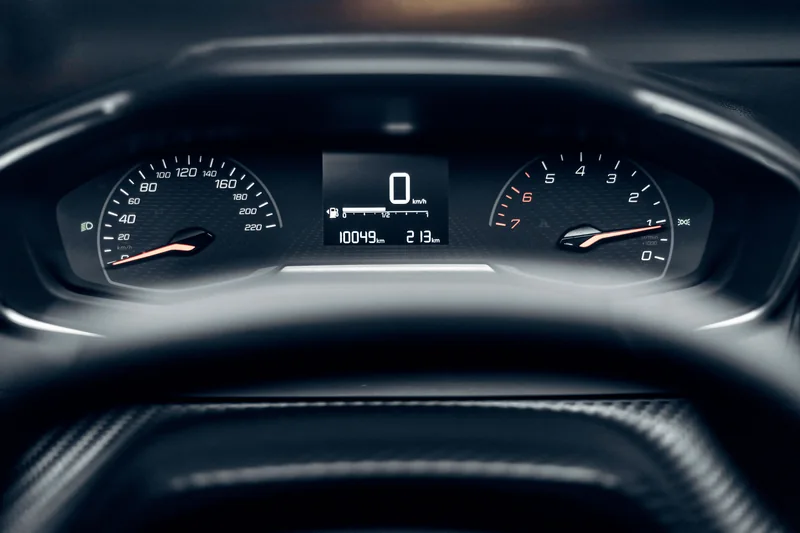
Use your actual driving patterns and a sensible buffer to compare annual lease-mileage options.

Explore how Nissan and other makes can fit your pre-owned shopping priorities and budget.

Break down the components behind a quoted lease payment, including depreciation, rent charge, taxes, and fees.

Follow the main steps from comparing loan offers and setting a budget to taking delivery.

Get familiar with lease pricing, upfront costs, mileage choices, taxes, and the obligations at return.
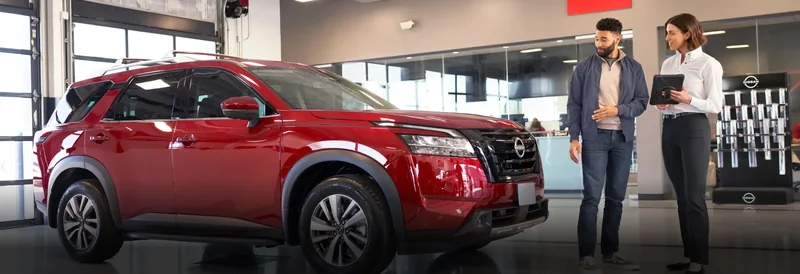
Distinguish service-plan payments, repair financing, and theft-related assistance before reviewing individual terms.

Find the approval rules, costs, provider details, and payment terms to review before financing a repair.

Read a complete purchase quote and identify the vehicle price, taxes, registration, and disclosed extras.

Learn what lenders may review and how to prepare a realistic vehicle budget and a complete application.

Prepare for the identification, income, residence, insurance, and trade paperwork your transaction may require.

Explore how eligible offers, trade equity, and lender terms may affect the cash needed upfront.

Understand the factors that shape your upfront payment and the monthly budget you can maintain.

Compare ownership timing, available cash, mileage, and total costs across three ways to get your next car.

Consider family seating and capability alongside the charging routine of a plug-in SUV.

Compare midsize-sedan comfort with a crossover’s higher seating position and hatchback cargo layout.

Weigh truck-bed utility against full-size SUV seating, enclosed cargo, and towing configurations.

Decide whether an open pickup bed or an enclosed three-row cabin better serves your passengers and gear.
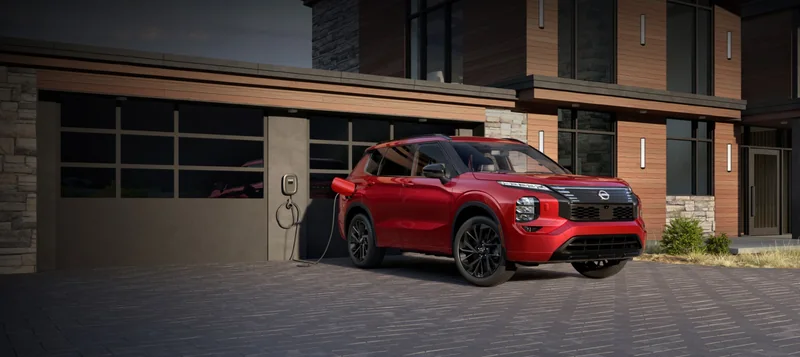
Compare partial electrification and fully electric driving through your charging access and travel habits.

Explore the daily-use tradeoffs between a gas Rogue and a plug-in model with gasoline backup.

Compare premium crossover comfort with the passenger space and capability of a much larger SUV.
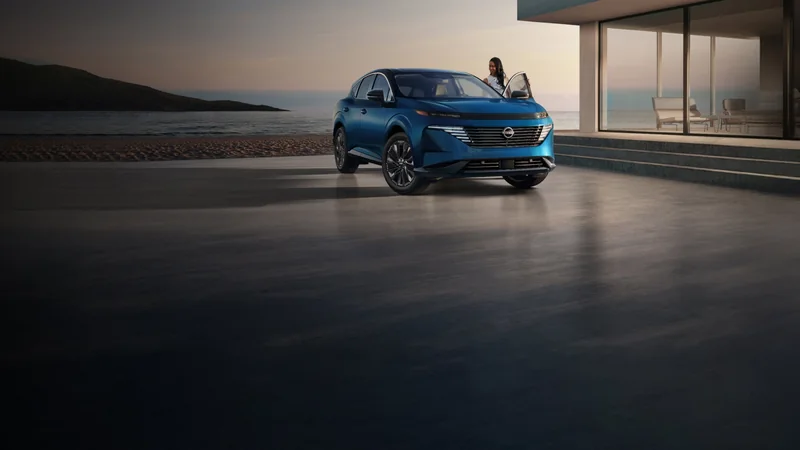
Balance two-row comfort against extra seating and family-oriented flexibility.

Compare everyday compact-SUV practicality with the space and capability of a full-size three-row vehicle.

Work out whether two rows meet your needs or a larger three-row SUV is worth the extra footprint.

Consider the differences between gas-car convenience and electric-car charging, range planning, and daily costs.

Compare a midsize sedan and compact SUV for passenger comfort, loading space, and everyday flexibility.

Explore how a sedan’s trunk and lower seating position compare with a small SUV’s hatchback layout.

Consider sedan affordability alongside a crossover’s seating position, hatchback access, and available drivetrains.

Compare two Nissan sedans for purchase budget, parking, passenger space, and the features you use most.
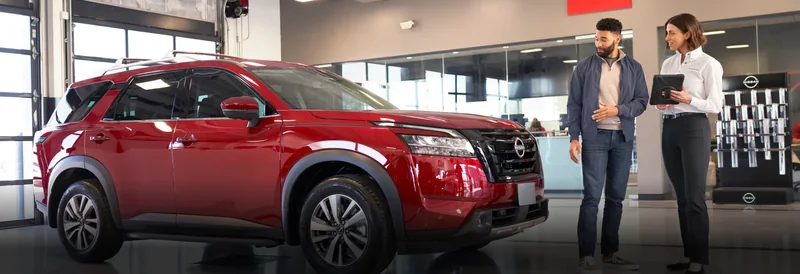
Build a service plan around your exact vehicle, inspection timing, road conditions, and seasonal wear.

Know which official sources to use when estimating government charges for a New York vehicle transaction.

Learn how ProPILOT versions differ, which details to verify, and what remains the driver’s responsibility.

Explore home-charging options, installation questions, utility programs, and solutions for apartments and shared parking.

See what certification adds and how to compare those benefits with a regular used vehicle’s condition and price.
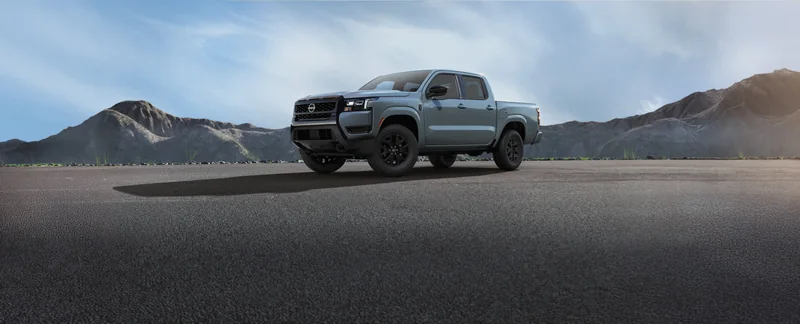
Compare equivalent truck configurations for bed space, payload, towing, off-road equipment, and everyday comfort.

Match passenger needs, vehicle size, and towing plans to Nissan’s two larger three-row SUVs.

Explore the tradeoffs between everyday compact-SUV versatility and a more premium two-row cabin.

Compare compact-sedan practicality with midsize space, highway comfort, equipment, and drivetrain choices.

Weigh your annual mileage, ownership plans, cash needs, and payment priorities before choosing a lease or loan.

Understand Nissan traction systems, their limits, and the role of tires and driving conditions in winter.
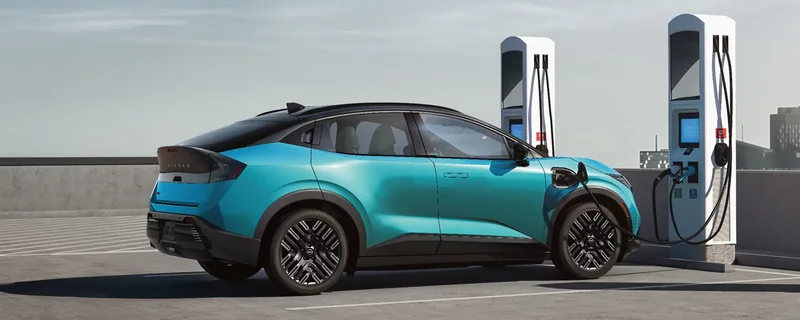
Find the programs and eligibility details to check when researching New York EV and charging savings.

Decide whether a smaller parking footprint or more passenger and cargo space matters most to you.

Compare compact-sedan space, features, powertrain choices, and costs through the lens of your daily commute.
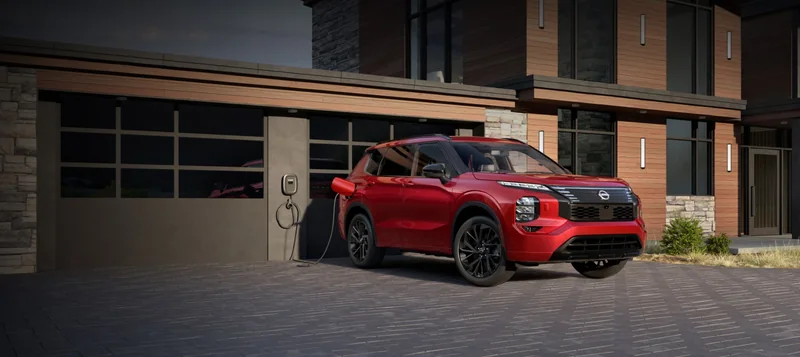
Explore three different driving routines: gasoline refueling, plug-in flexibility, and an all-electric charging plan.

Compare family-SUV seating layouts, cargo flexibility, third-row access, and towing configurations.

Plan an electric-car routine around your commute, charging access, winter weather, and longer trips.

Work through the Nissan SUV lineup by passenger needs, parking space, cargo, comfort, and towing priorities.

Compare small-SUV footprints, passenger space, drivetrains, and equipment before choosing your city-and-suburb companion.

See how three popular compact SUVs compare for commuting, cargo, powertrains, and everyday life in Westchester.